Live MCP Tool Call Visibility Before a Security Incident Becomes a Breach Postmortem
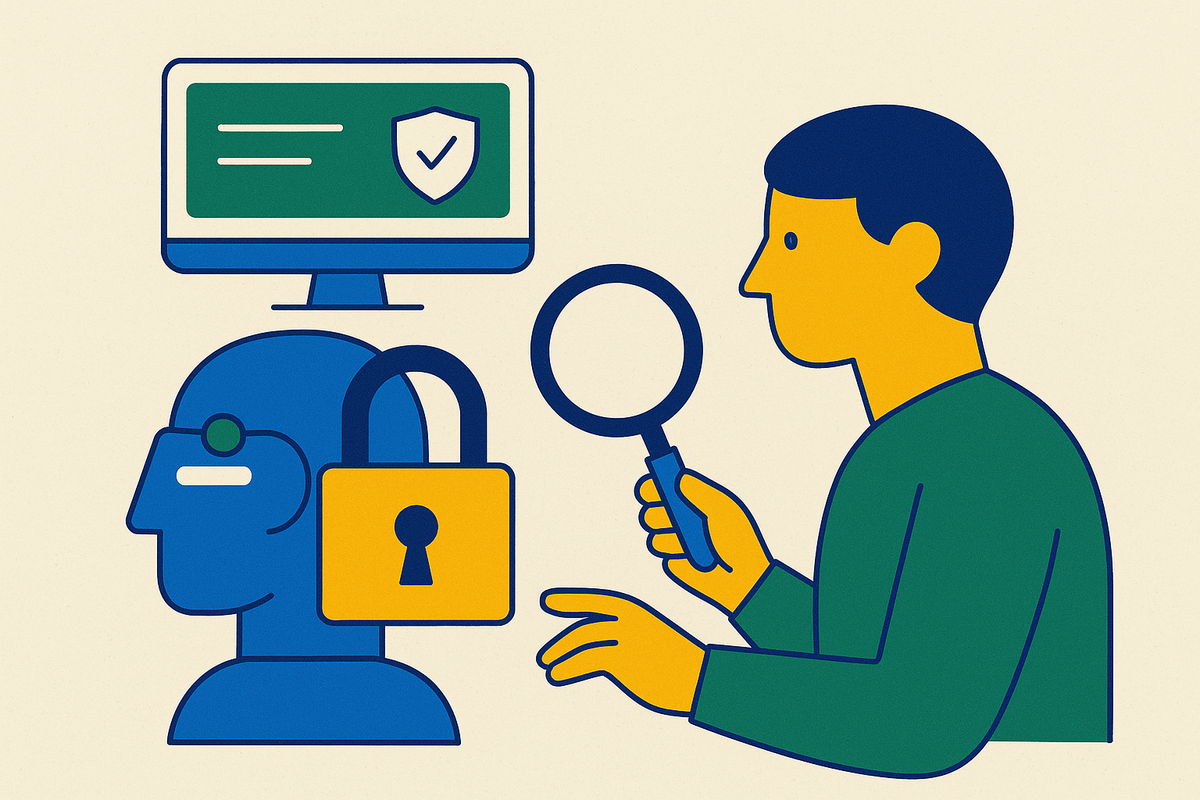
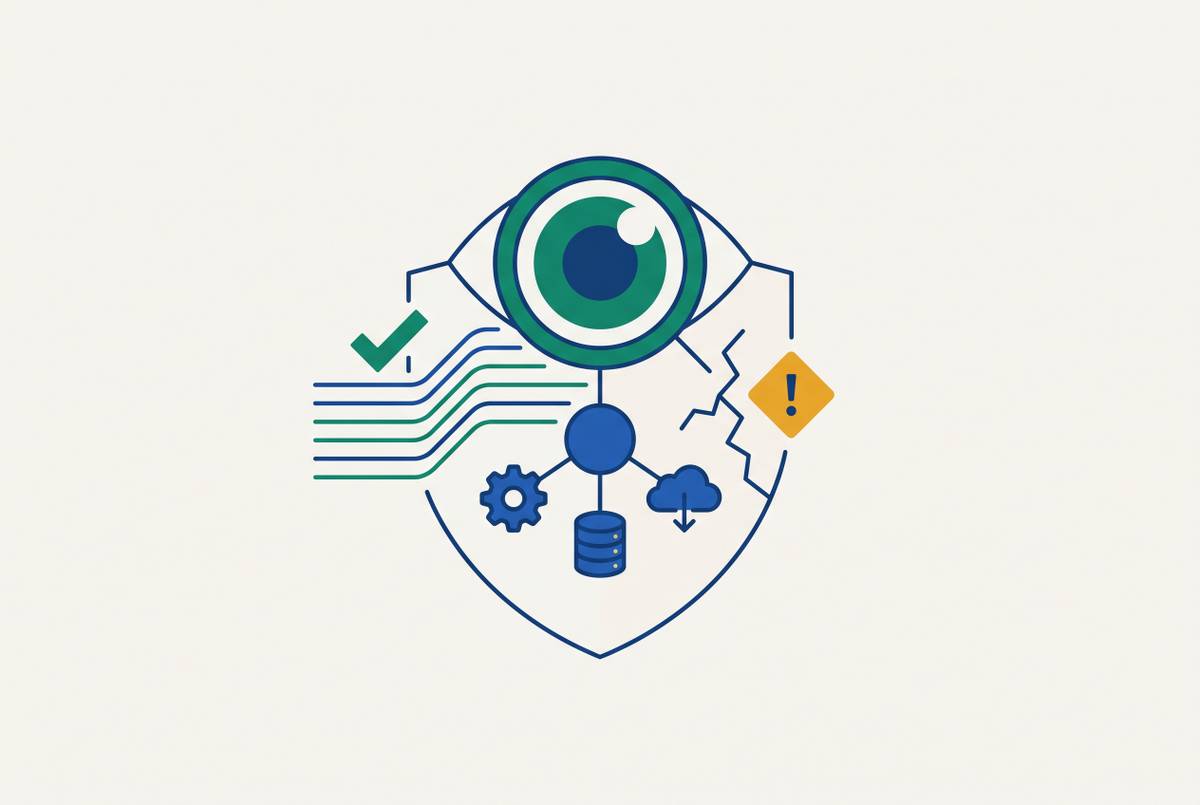
Monitoring MCP tool calls in real time catches breaches before they complete.
Adeel Choudhury
Section
27 stories in MCP security.
Monitoring MCP tool calls in real time catches breaches before they complete.
Monitoring MCP tool calls in real time catches breaches before logs reveal them too late.
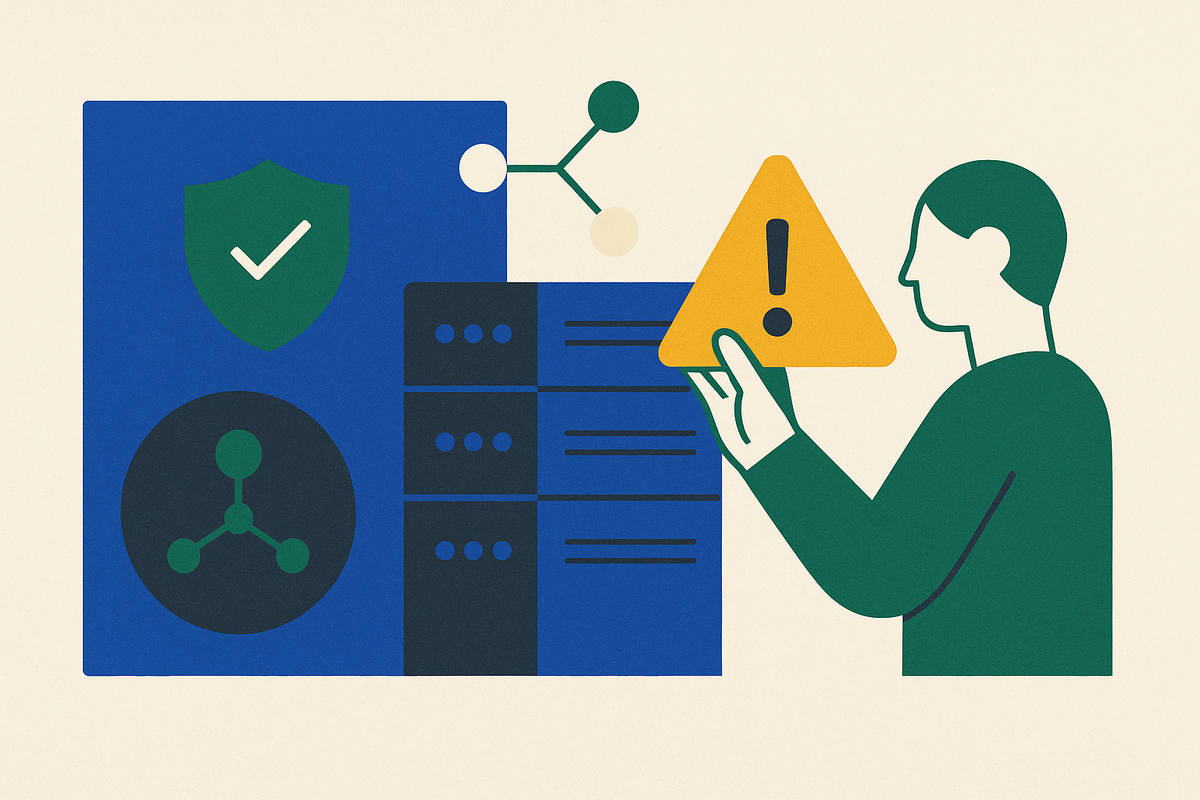
Early interception stops tool-poisoning attacks; late filtering just documents the damage.
Shared MCP infrastructure requires tenant isolation layers the protocol doesn't enforce by design.
Most MCP servers change their behavior after approval with no re-review required.
Attackers hide malicious instructions in tool metadata that AI agents trust automatically.
Most "MCP gateway" products are not built for production scale.
Rug pulls exploit the MCP protocol's lack of cryptographic signing and re-approval workflows.
Identify hidden vulnerabilities in your MCP servers before putting them into production.
Most MCP servers skip identity verification entirely, leaving authorization meaningless.
Security frameworks built for people don't protect agents handling company data.
Most MCP servers expose far more access than agents actually need to complete their tasks.
Agents reach production faster than security can build guardrails around them.
Organizations need AI risk management as its own discipline, separate from IT governance.
How MCP's authorization model evolved from nothing to layered OAuth as the protocol scaled.
Emerging protocol faces token leaks, permission creep, and supply chain attacks.
Ungoverned MCP servers create persistent machine identities that bypass insider-threat controls.
Exposure of thousands of unsecured MCP servers signals urgent need for layered risk assessment.
AI agents demand permission controls that adapt mid-workflow, not static rules built for humans.
Security controls are spreading across the MCP stack to plug gaps the protocol itself never filled.
Fifty-year-old security principle shows why overloaded MCP servers hide dangerous gaps.
Most organizations treat AI agents as privileged identities without governing them like it.
Enterprises adopted MCP servers without the governance frameworks that should have come first.
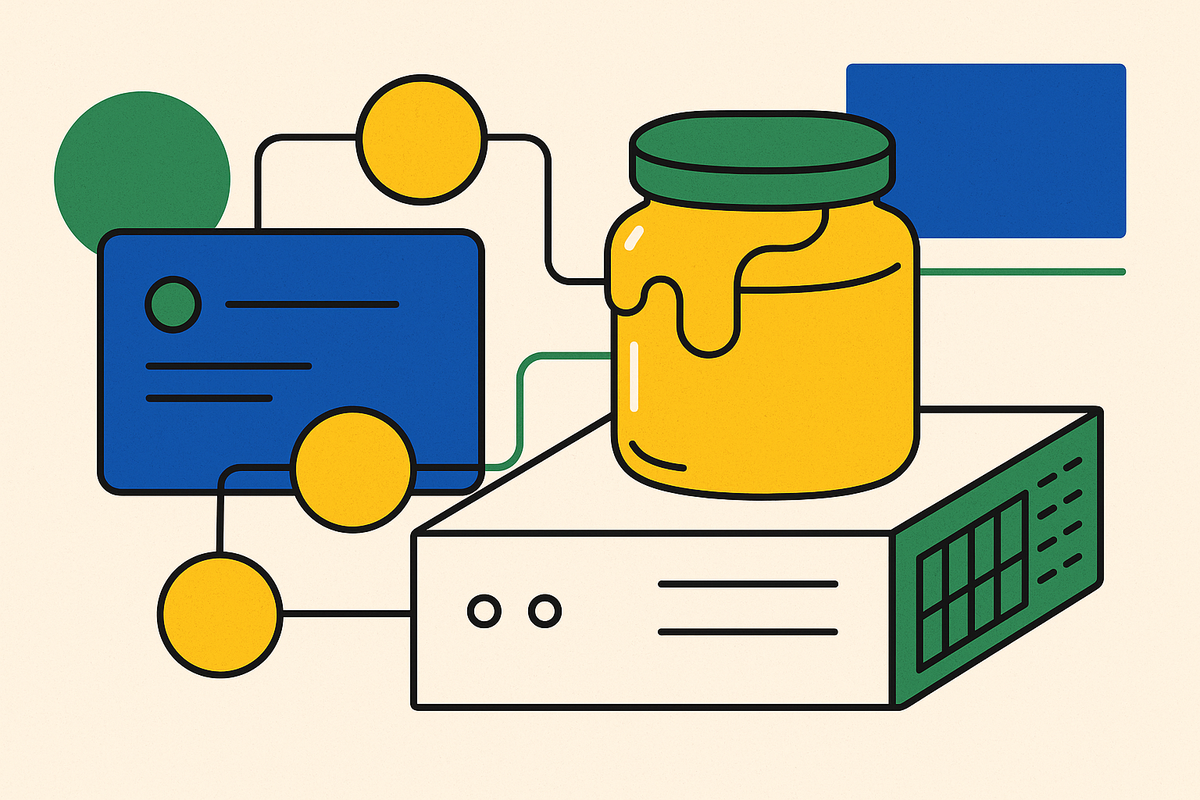
Catch MCP server attacks with fake credentials that trigger alerts on first use.
Most MCP servers ship with dangerous defaults that leave them wide open to attack.
The framework covers only 60-70% of what agentic AI governance actually needs.
Defend your AI agents from permission creep with hard boundaries and task-level access control.